Listeners:
Top listeners:
-
 play_arrow
Radio Today Radio Today
-
 play_arrow
Technology Report Mike Stroud
-
play_arrow
Technology Report Mike Stroud
music_note

Health: Heart Palpitations and how to deal with them
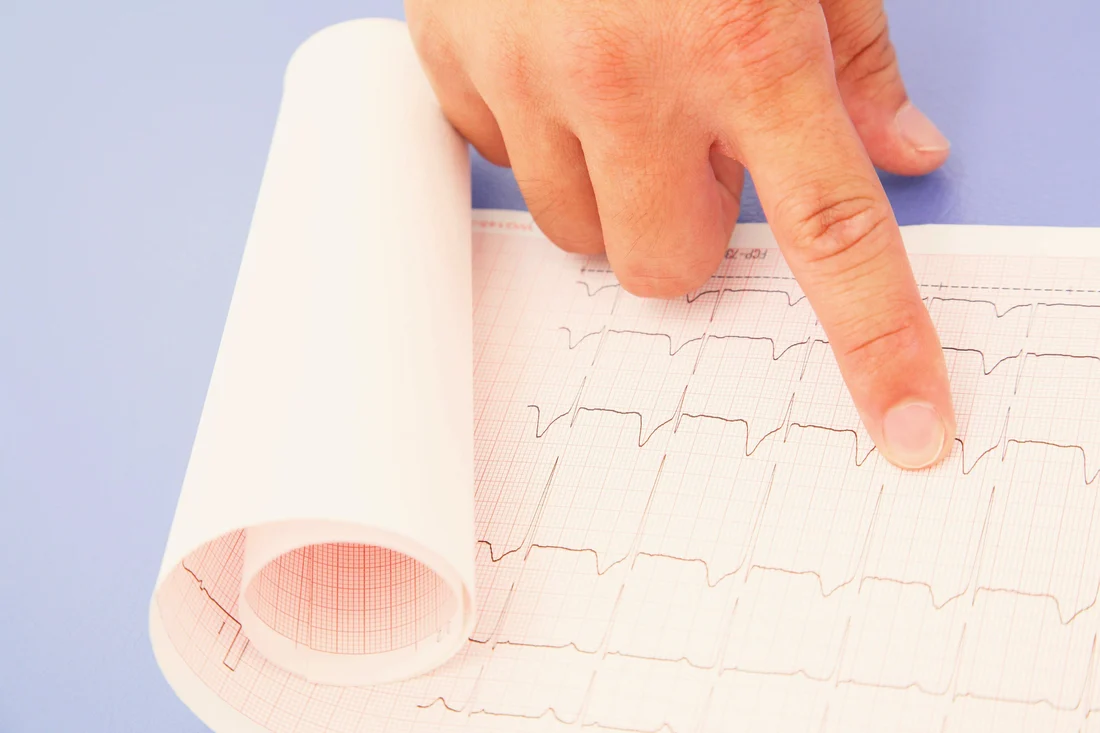
Heart palpitations are heartbeats that suddenly become more noticeable. They can feel like the heart skips a beat, or it is pounding, fluttering, or beating irregularly.
These sensations can be experienced in the heart or in the neck. They may be nothing to worry about but can require medical attention in some cases. They should then be assessed by a doctor.
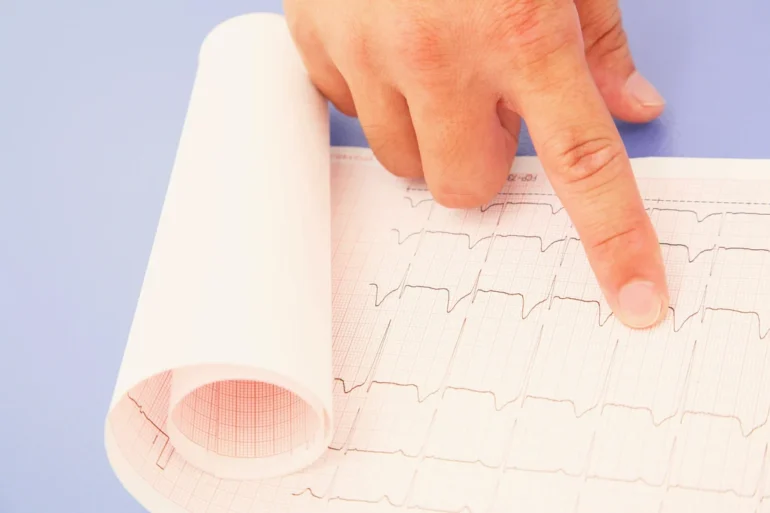
A heartbeat signifies that the heart is pumping. There are two parts to this:
- Part 1: The blood collects in the heart’s two bottom chambers. There is a small contraction of the heart’s two upper chambers to assist with this.
- Part 2: An electrical impulse travels to the heart’s two bottom chambers and causes the heart muscle to contract, which causes blood to pump to the lungs and also to the body.
What causes heart palpitations?
Palpitations can be a result of several factors, including:
1. Lifestyle triggers
Strenuous exercise, dehydration, not getting enough sleep, or drinking too much caffeine or alcohol can lead to heart palpitations.
Smoking tobacco and using illegal drugs such as cocaine or stimulants such as Sudafed can also cause the heart to skip a beat.
2. Psychological or emotional triggers
Strong emotions such as stress or anxiety can cause heart palpitations.
They may also occur during a panic attack. Other symptoms of a panic attack include:
- nausea
- feeling weak or dizzy
- numbness in the extremities
- chest pain or tightness
- trembling
- shortness of breath
3. Medication
Some medicines can contribute to heart palpitations. These include:
- asthma medications
- medications for high blood pressure
- antibiotics
- antidepressants
- antifungal medicines
Anyone who has frequent heart palpitations and is taking medication should check the list of possible side effects on the label. Also check with your doctor.
4. Hormone changes
Periods, pregnancy, and menopause can all cause hormonal changes, which may lead to heart palpitations.
An overactive thyroid is also a possible cause.
5. Arrhythmias
Arrhythmias are changes in the usual pattern of electrical impulses from the heart, causing irregular heartbeats. Some arrhythmias are harmless, but others can be serious and require medical attention.
The following are examples of arrhythmias:
- Atrial fibrillation: Can cause a fast, irregular heart rate and increase the risk of stroke.
- Bradycardia: A slow heart rate.
- Tachycardia: A fast heart rate.
- Supraventricular tachycardia: A rapid heartbeat that can cause dizziness.
- Ventricular tachycardia: A potentially serious condition that causes a fast, regular heart rhythm and is sometimes associated with dizziness or blackouts.
6. Heart conditions
In some cases, palpitations can indicate problems with the heart. Examples include:
- Mitral valve prolapse: Which causes blood to flow inefficiently through the heart.
- Heart failure: This happens when the heart cannot pump blood effectively, and heart chambers can dilate.
- Hypertrophic cardiomyopathy: Refers to an abnormal enlargement of the heart muscle and its walls.
- Congenital heart disease: Refers to abnormalities that are present from birth.
7. Other medical conditions
The following issues can also cause palpitations:
- anaemia
- hypoglycemia, which refers to low blood sugar levels
- low blood pressure
- electrolyte abnormalities
Symptoms of heart palpitations
Heart palpitations tend to feel like a fluttering or pounding in the chest or neck, or can feel like an irregular sensation in the chest. When more serious arrhythmias are responsible, palpitations can occur with the following symptoms:
- dizziness
- light-headedness
- fainting
- confusion
- shortness of breath or difficulty breathing
- chest pain or tightness
A person will need immediate medical attention if they experience these symptoms alongside heart palpitations. In extreme cases, heart palpitations can lead to sudden cardiac arrest.
When to see a doctor
If heart palpitations happen rarely, last less than 30 seconds, and pass quickly, then just monitor them closely.
It is a good idea to speak with a doctor when palpitations:
- follow a history of heart problems
- last for long periods
- do not improve over time
- get worse
- are associated with symptoms such as dizziness, near fainting, fainting, chest pain, or shortness of breath
Some cases require emergency medical attention. You should seek medical help immediately when palpitations accompany any of these symptoms:
- severe shortness of breath
- pain or tightness in the chest
- light-headedness or dizziness
- fainting or blacking out
Echocardiogram
An echocardiogram is an ultrasound that uses sound waves to create an image of the heart’s size, structure, and motions. The sound waves echo off the heart, which a doctor can interpret through a computer to see images of the heart structure and valves. An echocardiogram is a painless procedure similar to a pregnancy ultrasound.
Chest X-ray
A chest X-ray is another diagnostic tool doctors may use to check how the heart works. A chest X-ray can show the heart structure and any changes to the lungs that may result from a heart problem.
Blood tests
Various blood tests can be done to help diagnose heart palpitations, including:
- Complete blood count (CBC): This test measures the levels of different parts of the blood, such as red blood cells. It can show if a person has an infection or disorder such as anaemia, which can cause heart palpitations.
- Thyroid function tests: This test shows if a person’s thyroid gland is making abnormal levels of the hormone thyroxine. Abnormal levels can be associated with heart palpitations.
- Basic metabolic panel (BMP): This test measures important chemicals found in the blood, including electrolytes such as potassium and sodium. These help to stabilise heart rhythm.
Treatment for heart palpitations
Treatment will depend on the cause of the palpitations. When lifestyle factors such as excessive alcohol or caffeine consumption are responsible, steps should be taken to avoid these.
People with palpitations due to stress, anxiety, or panic attacks may benefit from learning breathing exercises and stress-management techniques, such as yoga and meditation. It may also be a good idea to speak with a therapist.
Some arrhythmias are harmless and do not require treatment. However, others may be clinically significant and require long-term medication.
Lifestyle changes
Lifestyle changes such as eating a healthy, balanced diet can help promote heart health.
Minimise or avoid:
- processed or fried foods
- added sugars
- excess salt
- red meat
- alcohol
- smoking
Keeping physically active, maintaining a healthy weight, and controlling blood pressure and cholesterol are important factors in managing heart conditions.
Other treatments
Other treatment options can include:
- medications
- a pacemaker
- cardiac defibrillator implant
- heart surgery
Written by Amanda Barrel
Read the original article here.


Featured post
Latest posts
Current show
Upcoming shows















Post comments (0)