Listeners:
Top listeners:
-
 play_arrow
Radio Today Radio Today
-
 play_arrow
Environmental Report Mike Stroud
-
play_arrow
Environmental Report Mike Stroud
music_note

Pagophagia. Chewing Ice
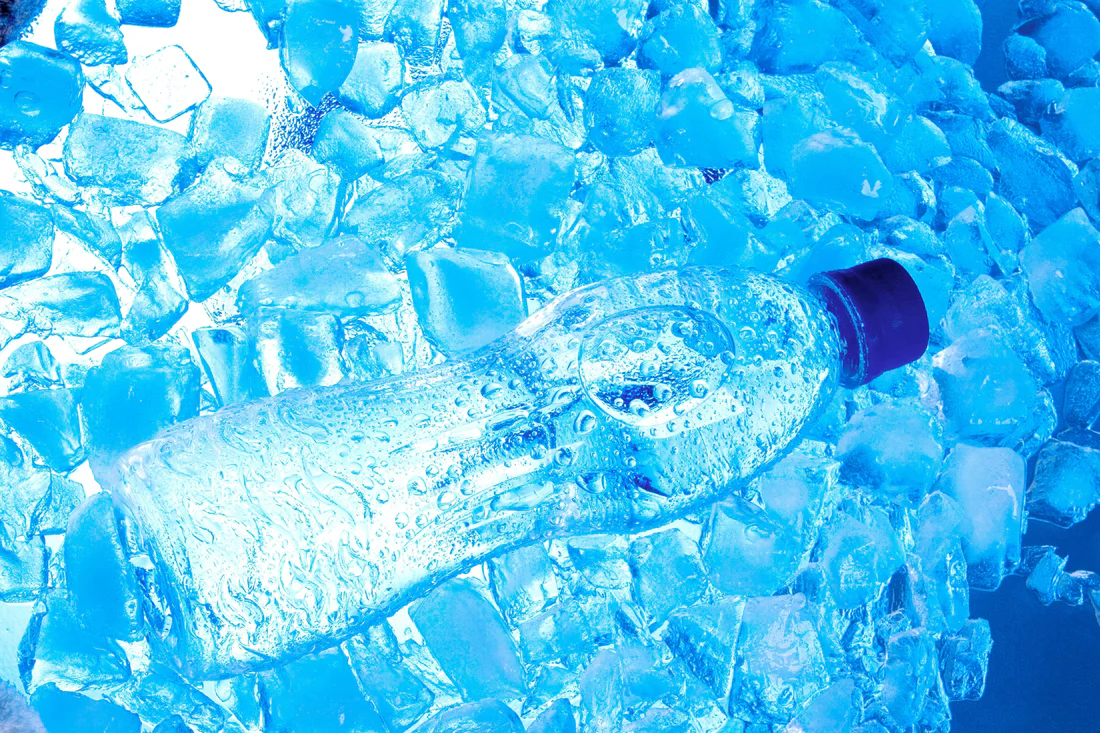
Pagophagia is the medical term for compulsively consuming ice or iced drinks. Depending on how frequently a person consumes ice, it may lead to complications. It may also indicate an underlying condition. It is a rare form of an eating disorder called pica.
Many people who want to cool down or feel refreshed chew on ice or add it to a drink. Sucking on ice cubes can also help relieve dry mouth.
However, continually consuming ice, freezer frost, or iced drinks can indicate an underlying condition that needs medical attention. It can also damage the teeth.
Causes of ice cravings
Iron deficiency anemia
- There may be a link between iron deficiency anemia and craving ice, but the underlying reasons remain unclear.
- People with anemia have low levels of red blood cells, which are essential for carrying oxygen around the body. In people with iron deficiency anemia, a lack of iron is responsible for the low levels of these cells.
Emotional stress.
- Some people chew on ice to help cope with emotional stress.
Dehydration
- Sucking on ice cubes can cool the body, quench thirst, and moisten dry lips. The symptoms of mild dehydration are thirst and darker-than-usual urine. Anyone who is experiencing frequent mild dehydration or symptoms of more severe dehydration, such as dizziness and confusion, requires treatment. This issue can lead to seizures and be life threatening.
Autism.
- Pica, (ice eating) often occurs alongside autism. In particular, it can affect children with autism.
- It is important to contact a healthcare professional for an evaluation if there are concerns about autism. Symptoms can develop before an individual is one year old, though sometimes the condition may not be visible until the child starts school.
Complications of chewing ice
Eating ice is not usually dangerous. However, depending on how frequently the consumption occurs and the underlying cause, a person may be at risk of certain complications.
Dental and oral issues
Consuming a lot of ice can damage tooth enamel and cause cracks or chips in the teeth. This can lead to further problems, such as increased sensitivity to temperature and oral pain.
Other pica complications
Ice is unlikely to cause internal damage. However, pica may also express in other ways, such as in cravings for nonfood items such as charcoal, paint chips, or soap.
Eating these kinds of things can cause severe internal problems, such as:
- Infections
- Bowel issues, including intestinal obstructions and tears
- Poisoning
- Choking
It is important to speak with a healthcare professional if there are concerns about pica. They can help determine if there is an underlying cause and advise on suitable treatments.
Treatments for chewing ice
Pica can be an expression of a mental health condition. Depending on the diagnosis, a healthcare professional may recommend therapy in combination with anti-depressants or anti-anxiety medications.
People with pagophagia and iron deficiency anemia may find that taking iron supplements relieves their ice cravings.
A dentist can address oral health problems that stem from eating ice.
Summary
Sucking on or chewing ice in moderation is unlikely to cause harm. However, anyone who feels a compulsion to eat ice may be experiencing an underlying health condition.
Conditions that can cause pagophagia include iron deficiency anemia, emotional stress, dehydration, and autism.
If ice cravings last for longer than 1 month, it is best to contact a healthcare professional to investigate the underlying cause.
If a pregnant person experiences ice cravings, they should consult a healthcare professional right away, because the pagophagia can indicate anemia. The doctor will order a blood test and may prescribe iron supplements.
Original Article written by Bethany Cadman
Image: 123RF.com


Featured post
Latest posts
Current show
Upcoming shows