Listeners:
Top listeners:
-
 play_arrow
Radio Today Radio Today
-
 play_arrow
Game Time Sports Show Mike Stroud
-
play_arrow
Game Time Sports Show Mike Stroud
music_note

KNOW Your CARBS
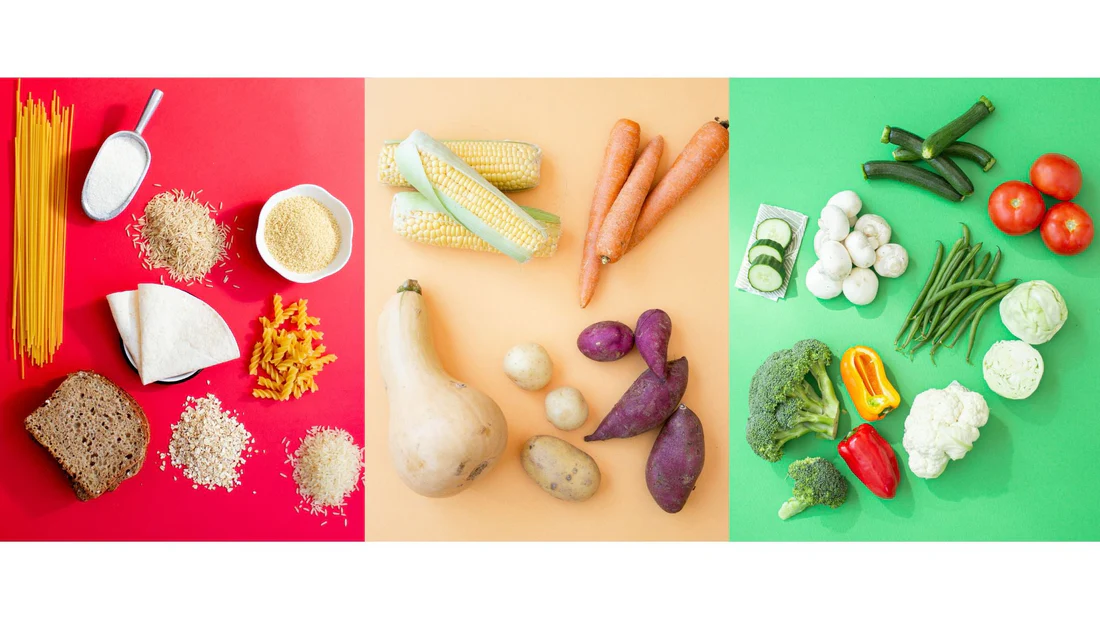
There is a long list of foods which contain varying amounts of carbohydrates, which are broadly divided into two groups, namely starches and sugars. The different types of carbs have varying effects on your energy (blood sugar) levels, and they all differ in terms of the other nutrients they contribute to a meal (and your health) as well. Eating less-refined carbohydrates and foods lower in carbohydrates are typically associated with a healthier digestive system (gut), immune system, better weight management and overall health. Therefore, making the best choices are important.
Heleen Meyer explains this according to the colours of a robot: red, yellow and green.
RED: These are often referred to as white starches, which include things like bread, wraps, pastas, two-minute noodles, mealie meal, couscous, oats and any food or products made with wheat flour. Any refined starch like cake or baked goods, will also fall into this category. It is really important to manage the portions you eat of these foods as well as how frequently they are included in your meals. Brown rice or brown bread are still high in carbohydrates, but are already a better choice than white rice or white bread. The brown options are less refined and contain more healthy fibre to fill you up and still contain more nutrients. Enjoy this group of foods in small portions and preferably only one option per meal.
FUN FACT: remember that beer is also a carb!! One 500 ml beer can contain the same amount of carbs as 2 slices of bread.
ORANGE: Veggies are typically divided into starchy and low-starchy (or even no-starchy) veggies. A good example will be to compare potatoes (high) with baby marrow (low). This helps to make good choices to keep your meals balanced. The orange group will include starchy veggies, like carrots, corn (mealies), butternut, potatoes and sweet potatoes. These are all sources of carbs but will, however, also contribute other valuable nutrients to your meals, compared to a food like white rice or pasta. Starchy veggies will keep you feeling fuller for a bit longer than white starches. Enjoy foods in the orange group in moderate portions and preferably only one option per meal.
Remember, foods from the red and orange group, should not fill more than a quarter of your plate and the best choice will be high-fibre, unrefined starches.
TIP: Remember, how you prepare the food in these two groups will also affect how healthy the meal is. Oven-roasted butternut with a drizzle of olive oil is a better option than boiling the butternut with sugar or honey.
GREEN: The list of ingredients in this group can be quite long, but here are some everyday options: baby marrow, brinjal, broccoli, cabbage, cauliflower, cucumber, mushrooms, onions, peppers, spinach, tomatoes, and any other green veggies. These wholesome veggies typically contain very little
carbs and are high in other nutrients, like vitamins, minerals, antioxidants and fibre. They are also referred to as non-starchy veggies. Consider these as the best options to fill your plate with and enjoy them in large portions, whether it’s as side dishes or salads, cooked or raw.
To READ MORE about a HEALTHY GUIDELINE to keep your meals BALANCED, read this blog on our website:
For information like this, you can also visit the Tips & Tools page on Heleen’s website.
Images by Thivesha Naidoo